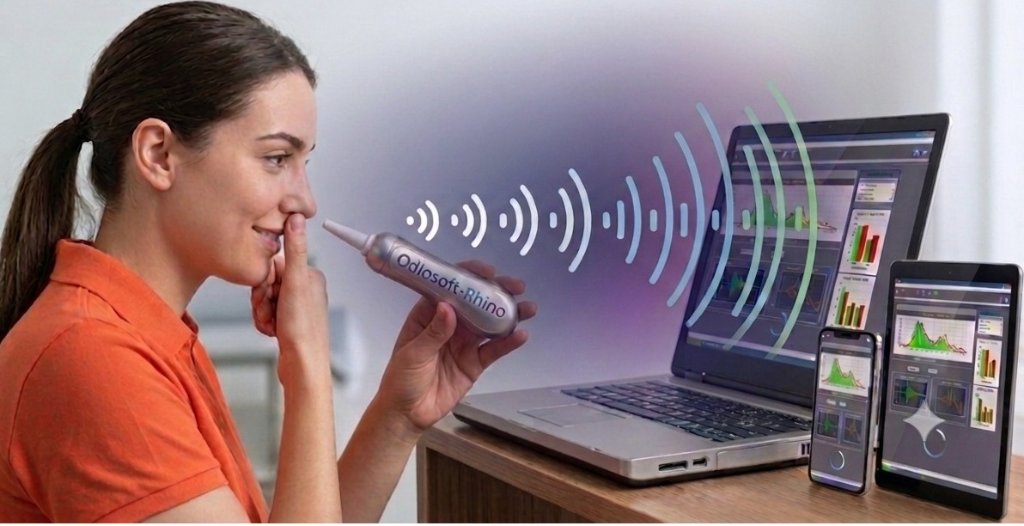
Odiosoft-Rhino - AI-Based Nasal Airflow Analysis
Clinical Technology Platform

Odiosoft-Rhino

AI-Based Analysis of Nasal Airflow Acoustic Signals

Table of Contents

1. What is Odiosoft-Rhino?
2. How to Use the Software for Nasal Analysis
3. Limitations of Conventional Methods & Advantages of OR
4. Why Odiosoft-Rhino is Needed
5. Advantages and Superiority in Clinical Practice
6. Executive Summary: Odiosoft-Rhino & Respiro
7. Clinical Evidence: Validation & Comparative Analysis
8. Technology Roadmap & AI Integration
9. Strategic Value & Partnership Proposal
10. Sustainability and ESG Value Proposition
11. Nasal Airflow Simulation in Nasal Surgery and Rhinoplasty
12. Facial Aesthetics and Functional Analysis
13. Publications
Section 1

1. What is Odiosoft-Rhino?

Odiosoft-Rhino is an innovative digital health technology developed by Seren and first described in 2005 for the objective assessment of nasal airway function through acoustic signal analysis. Unlike conventional methods that directly measure airflow resistance, Odiosoft-Rhino analyzes the sounds generated during spontaneous nasal breathing and transforms acoustic information into quantitative parameters reflecting airway patency and airflow characteristics.

The system is based on the principle that changes in nasal airway geometry alter airflow dynamics and consequently modify the acoustic properties of breathing sounds. As airway narrowing increases airflow turbulence, higher-frequency and higher-intensity acoustic components are generated. Through advanced spectral and frequency-domain analysis, Odiosoft-Rhino provides an objective, non-invasive evaluation of nasal obstruction and upper airway function (1,2).

The software performs detailed analysis of respiratory sound signals, allowing frequency measurements to be obtained separately from each nasal cavity while displaying sound intensity across different frequency bands. Because airway diameter is a major determinant of airflow turbulence, acoustic analysis represents a sensitive and physiologically relevant approach for evaluating nasal obstruction (3).

Clinical studies have demonstrated the utility of Odiosoft-Rhino in healthy individuals, patients with allergic rhinitis, and subjects with nasal septal deviation. Comparative investigations have shown that its diagnostic performance is comparable to rhinomanometry while exhibiting strong correlations with patient-reported symptom scores (2,4-7).

A major advantage of Odiosoft-Rhino is its portability and accessibility. The system requires only the built-in microphone of a standard computer, tablet, or mobile phone, making it suitable not only for clinical applications but also for large-scale screening, remote monitoring, and telemedicine. Acoustic recordings can be stored as WAV files and securely transferred via the internet for remote analysis and consultation (8).

Today, Odiosoft-Rhino represents a pioneering digital respiratory acoustics platform that integrates signal processing and artificial intelligence technologies to enable objective, scalable, and accessible assessment of nasal and upper airway function.

References
1.Frequency spectra of normal expiratory nasal sound. Seren E. Am J Rhinol. 2005;19(3):257-261. PMID: 16011131
2.Nasal sound analysis: a new method for evaluating nasal obstruction in allergic rhinitis. Tahamiler R, Edizer DT, Canakcioglu S, Guvenc MG, Inci E, Dirican A. Laryngoscope. 2006;116(11):2050-2054. PMID: 17075412 DOI: 10.1097/01.mlg.0000240173.74885.0d
3.Expiratory nasal sound analysis as a new method for evaluation of nasal obstruction in patients with nasal septal deviation. Tahamiler R, Canakcioglu S, Yilmaz S, Dirican A. J Laryngol Otol. 2008;122(2):150-154. PMID: 17592665 DOI: 10.1017/S0022215107009437
4.Evaluation of nasal airway alterations associated with septorhinoplasty by both objective and subjective methods. Erdogan M, et al. Eur Arch Otorhinolaryngol. 2013;270(1):99-106. PMID: 22373962 DOI: 10.1007/s00405-012-1974-y
5.Nasal expiratory sound analysis for evaluation of nasal patency in perennial allergic rhinitis patients treated with nasal corticosteroids. Cingi C, Ural A, Seren E, Erdogan M. ORL J Otorhinolaryngol Relat Spec. 2014;76(1):50-6. PMID: 24714031 DOI: 10.1159/000360996
6.Expiratory nasal sound analysis as a new method for evaluation of nasal obstruction in patients with nasal septal deviation: comparison of expiratory nasal sounds from both deviated and normal nasal cavity. Tahamiler R, Canakcioglu S, Yilmaz S, Dirican A. J Laryngol Otol. 2008;122(2):150-4. PMID: 17592665 DOI: 10.1017/S0022215107009437
7.Evaluation of nasal obstruction with Odiosoft-Rhino in nasal septal deviation. Tahamiler R, Canakcioglu S. J Otolaryngol Head Neck Surg. 2008;37(2):285-91. PMID: 19128628
8.Web-based analysis of nasal sound spectra. Seren E. Telemed J E Health. 2005;11(5):578-582. PMID: 16250822 DOI: 10.1089/tmj.2005.11.578
Section 2

2. How to Use the Odiosoft-Rhino Software for Nasal Analysis

The patient should perform the recording in a quiet environment free from external sounds and ambient noise. After opening the Odiosoft-Rhino software on a computer, tablet, or mobile phone, two options will be available under the "Analysis" menu: Expiratory Analysis and Inspiratory Analysis.

If "Expiratory Analysis" is selected for nasal airflow assessment, two separate recording fields corresponding to the right and left nasal cavities will appear. To analyze the right nasal cavity, the patient should gently occlude the left nostril using the left thumb. The microphone should be held in the right hand approximately 5-6 cm from the nostril and positioned parallel to the nasal airflow.

Recording may be controlled either manually by the user or automatically by the software. In automatic mode, recording begins with the onset of exhalation and stops automatically 2 seconds after exhalation has ended.

Using AI-assisted analysis of expiratory nasal acoustic biomarkers, the degree and anatomical location of nasal narrowing during expiration are displayed as an anatomical narrowing map. The following parameters are calculated:

  • Nasal airflow reduction ratio
  • Nasal obstruction ratio
  • Posterior nasal obstruction ratio

For "Inspiratory Analysis", the procedure is performed symmetrically. AI-based inspiratory acoustic biomarker analysis provides the following additional parameters in tabular format:

  • Airflow reduction ratio
  • Nasal obstruction ratio
  • Estimated SpO2 reduction ratio
  • Estimated obstructive sleep apnea syndrome (OSAS) risk ratio
  • Nasal valve collapse ratio
  • Posterior nasal obstruction ratio

Furthermore, an estimated Sleep Quality Score is calculated. Parameters can be exported as a PDF report and stored for longitudinal comparison. Additionally, nasal sound recordings acquired using external devices or third-party platforms can also be analyzed using the Odiosoft-Rhino software.

Section 3

3. Limitations of Conventional Nasal Assessment Methods and Advantages of Odiosoft-Rhino

A. Rhinomanometry (RMM) Limitations and Technical Challenges

Rhinomanometry (RMM) is widely used as an objective method for the evaluation of nasal airway resistance by measuring transnasal pressure-flow relationships. Despite its role as a traditional reference technique in rhinology, multiple studies have demonstrated that its clinical applicability is limited by methodological and technical constraints [1,2].

One of the primary limitations of RMM is its strong dependence on strictly standardized testing conditions. The need for an airtight facial mask introduces the risk of air leakage artifacts. RMM is also highly dependent on patient cooperation, reducing reproducibility particularly in pediatric, elderly, or uncooperative populations [2,4].

B. Acoustic Rhinometry (AR): Limitations and Technical Challenges

Acoustic Rhinometry (AR) evaluates nasal cavity geometry by analyzing reflected sound waves within the nasal airway. A key limitation of AR is reduced accuracy in the posterior nasal cavity. AR also provides predominantly static anatomical measurements and does not adequately reflect real-time airflow dynamics during respiration, limiting its ability to characterize functional airway collapse or cycle-dependent obstruction patterns [5,6,7].

Summary of Key Limitations (AR and RMM)
  • Requirement for specialized and costly equipment
  • Dependence on controlled clinical environments
  • High sensitivity to operator technique and patient cooperation
  • Limited suitability for real-time or remote assessment
  • Lack of integrated AI-driven analysis frameworks
  • Limited scalability for longitudinal and population-level monitoring

C. Advantages of Odiosoft-Rhino (OR) Compared with AR and RMM

Odiosoft-Rhino (OR) represents a novel acoustic-based, non-invasive approach that evaluates nasal airway function by analyzing sound signals generated by nasal airflow. Unlike AR and RMM, which rely on acoustic reflection or pressure-flow measurements, OR provides a dynamic assessment of nasal airflow characteristics without requiring invasive interfaces or complex patient maneuvers.

Non-invasive
No facial masks, nasal cannulas, or pressure sensors required
Minimal Cooperation
Records naturally generated nasal airflow sounds
Dynamic Assessment
Evaluates real-time airflow-related acoustic changes
Cost-Effective
Requires only a microphone and computing device
Telemedicine Ready
Compatible with mobile devices and AI algorithms
AI-Enabled
FFT-based spectral biomarker extraction for clinical decision support
References
1.Rhinomanometry: standardisation and methodological considerations. Clement PAR, Gordts F. Rhinology. 2005;43(3):169-179. PMID: 16218509
2.Rhinomanometry: A Comprehensive Review of Its Applications and Advancements in Rhinology Practice. Patil N, Jain S. Cureus. 2024;16(5):e61370. PMID: 38947630 DOI: 10.7759/cureus.61370
3.The new agreement of the international RIGA consensus conference on nasal airway function tests. Vogt K, et al. Rhinology. 2018;56(2):133-143. PMID: 29353289 DOI: 10.4193/Rhin17.084
4.Objective assessment of nasal obstruction. Naito K, Horibe S, Tanabe Y, et al. Fujita Med J. 2022;9(2):53-64. PMID: 37234397 DOI: 10.20407/fmj.2021-029
5.Nasal Patency Measurement: State of the Art of Acoustic Rhinometry. Ottaviano G. Facial Plast Surg. 2024;40(3):304-309. PMID: 38016661 DOI: 10.1055/a-2218-7297
6.Acoustic rhinometry in the practice of allergy. Uzzaman A, Metcalfe DD, Komarow HD. Ann Allergy Asthma Immunol. 2006;97(6):745-51. PMID: 17201232 DOI: 10.1016/S1081-1206(10)60964-7
7.Correlation between subjective and objective evaluation of the nasal airway. A systematic review of the highest level of evidence. Andre RF, Vuyk HD, Ahmed A, Graamans K, Nolst Trenite GJ. Clin Otolaryngol. 2009;34(6):518-25. PMID: 20070760 DOI: 10.1111/j.1749-4486.2009.02042.x
Section 4

4. Why Odiosoft-Rhino? A New Era in AI-Powered Nasal Airway Assessment

Clinical Challenge
Current reference methods for nasal airway assessment require specialized equipment, trained personnel, and dedicated clinical settings. These limitations restrict accessibility, scalability, and the ability to perform continuous or remote patient monitoring.
Unmet Need
Despite rapid advances in digital health and artificial intelligence, there is still no widely adopted, device-independent platform capable of transforming everyday consumer devices into clinically meaningful tools for nasal airway assessment.
Innovative Solution
Odiosoft-Rhino is an AI-powered digital biomarker platform that converts nasal breathing sounds recorded through standard devices such as smartphones, tablets, and computers into objective indicators of nasal airway function.

Impact — Odiosoft-Rhino enables:

  • Decentralized and accessible respiratory assessment
  • Remote monitoring and telemedicine integration
  • Population-scale screening and longitudinal follow-up
  • AI-assisted clinical decision support
  • Objective, reproducible, and data-driven evaluation of nasal airway function

By shifting diagnostics from hardware-intensive workflows to software-defined respiratory intelligence, Odiosoft-Rhino reduces infrastructure dependency, expands access to care, and supports more efficient utilization of healthcare resources. The platform leverages existing consumer devices, reducing the need for additional medical hardware, lowering electronic waste, and minimizing resource consumption.

Section 5

5. Odiosoft-Rhino: Advantages and Superiority in Clinical Practice

While traditional methods for assessing nasal airway patency and upper airway pathologies — Rhinomanometry (RMM) and Acoustic Rhinometry (AR) — have long been considered the clinical gold standards, they are increasingly hindered by significant limitations, including hardware dependency, methodological constraints (1,2), and challenges regarding environmental, social, and governance (ESG) criteria related to resource utilization and sustainability (3). The Odiosoft-Rhino (OR) ecosystem, originally developed by Dr. Erdal Seren in 2005 (4), offers a non-invasive, portable, and sustainable diagnostic solution that transcends the static, hardware-centric nature of conventional methods, supported by extensive multi-center clinical validation over the years (5,6,7,8).

RMM and AR are established techniques that evaluate the nasal airway at the functional (airway resistance) and anatomical (cross-sectional area) levels, respectively (9). However, both systems are constrained by a limited output of numerical parameters, rendering them less suitable for the high-dimensional data analysis required by modern artificial intelligence (AI) workflows (10). The OR ecosystem functions by converting the respiratory sounds generated during inspiration and expiration within the nasal passages into digital biosignals for detailed analysis (11,12). Studies demonstrate that the 2000–4000 Hz and 4000–6000 Hz frequency bands in OR show significant correlations with conventional RMM, AR (Minimal Cross-Sectional Area – MCA), and subjective VAS scores for obstruction (13,14). Recent research on AI-based respiratory sound analysis indicates that breath sound patterns can be utilized for disease classification with high diagnostic accuracy when processed through machine learning models (15,16,17), positioning OR as an 'AI-ready' digital health platform and a transformative tool in modern otorhinolaryngology.

1. Patient Compliance and Ease of Use
Traditional methods (RMM and AR) are demanding processes requiring the patient to breathe through a mask or necessitating the stable fixation of a device within the nasal cavity, which can lead to the 'white-coat effect' or erroneous measurements, especially in children or anxious patients (18,19). OR requires only a microphone and a computer-based system; since it demands no invasive intervention inside the nasal cavity, it maximizes patient comfort while minimizing the white-coat effect, particularly in pediatric and clinically anxious patients (4,20).
2. Correlation with Subjective Symptoms and Endoscopic Examination
It has been frequently reported in the literature that data obtained via RMM and AR do not always demonstrate a perfect correlation with the sensation of 'nasal congestion' (VAS) experienced by patients (5,6,21-25). Studies have definitively proven that OR's spectral analysis results display a strong correlation with patients' VAS scores and endoscopic examination findings (8,21,22).
3. Dynamic and Long-Term Monitoring
Acoustic Rhinometry provides only a 'static cross-section' of the nasal anatomy (21-24). In contrast, the nasal airway is in a state of continuous alteration due to the nasal cycle. OR permits the uninterrupted monitoring of the nasal cycle during daily activities. Studies involving 12-hour monitoring processes have shown that OR can dynamically detect nasal congestion with periods varying from 30 minutes to 2.5 hours (26). This stream of dynamic data is vital for comprehending how a patient's sensation of 'congestion' fluctuates throughout the day.
4. At-Home Follow-Up and Remote Patient Monitoring
Mobile phone and tablet devices serve as ideal 'interface' devices for patients to monitor their own nasal health within the comfort of their homes. This method provides the same degree of reproducibility as conventional clinical consultations, offering patients better service at a lower cost, particularly for those in remote locations (27). Remote Monitoring and Postoperative Care: This technique is highly effective for postoperative follow-ups (septoplasty, concha reduction, polypectomy, etc.) and longitudinal tracking. For example, an allergic rhinitis patient can execute an OR test at home via a smartphone or tablet to objectively track the efficacy of a steroid spray (7,22,28). Furthermore, this method is especially suitable for older patients, individuals with disabilities, and those with heavy work schedules who require efficient, remote postoperative evaluation of their nasal cavities.
5. Functional Evaluation of the Nasal Valve Region
The nasal valve region represents the zone where the internal airflow velocity is highest and is the most sensitive area prone to collapse (12,29). While acoustic rhinometry encounters measurement difficulties in this area due to an 'acoustic shadow,' OR's spectral analysis tracks sound frequency alterations emerging during inspiratory flow, functionally identifying valvular collapse. AI-based analysis pairs these sound characteristics with the degree of valve collapse, offering more objective data for surgical decision-making.
6. Superiority of Inspiration and Dynamic Measurement
While Acoustic Rhinometry (AR) evaluates the anatomical structure of the nasal cavity statically, and Rhinomanometry (RMM) measures total nasal resistance, neither method directly analyzes the turbulence and acoustic properties of the airflow generated during inspiration. Odiosoft-Rhino (OR) performs a dynamic measurement by assessing the real airflow generated during inhalation. The spectral analysis of inspiratory sounds shows a high correlation with the nasal obstruction perceived by the patient (6,13,29).
7. Evaluation of the Posterior Nasal Cavity
OR evaluates turbulences forming in the posterior nasal region by applying AI analysis to their acoustic traces. When analyzing the anterior portion of the nasal cavity in parallel with nasal sounds originating from deep within the nasal passage using AI algorithms, the 'anatomical location' of the obstruction (anterior vs. posterior) can be pinpointed with high precision. Therefore, OR yields distinct advantages and operational ease for diagnosing conditions like choanal stenosis, adenoid hypertrophy, posterior septal deviation, nasopharyngeal airway narrowings, and sleep-related upper airway issues (30). Acoustic rhinometry may suffer from reduced accuracy in the posterior nasal cavity due to the damping of sound waves. Reliability drops in regions close to the choana and nasopharynx, and it fails to provide anatomical detail (31). Rhinomanometry provides an objective measurement of nasal airway resistance and nasal patency; however, it does not reliably identify the anatomical site of obstruction within the nasal cavity, including the posterior nasal cavity and nasopharyngeal region (32).
8. Artificial Intelligence Integration
While acoustic rhinometry and rhinomanometry act fundamentally as basic measurement instruments, Odiosoft-Rhino functions as an ideal evaluation platform for artificial intelligence and deep learning implementations due to its digital biosignal-based infrastructure, allowing the execution of OR Transformer and multimodal AI models.
9. Portability and Cost-Effectiveness
RMM and AR devices place a severe financial burden on clinics due to high maintenance-repair costs and special calibration requirements (13,29). Being a software-driven solution, Odiosoft-Rhino integrates seamlessly with standard hardware (PCs, smartphones, tablet PCs). This grants OR the 'platform independence' that sets it apart from traditional, stationary, and bulky devices. This flexibility opens up a wide usage spectrum ranging from routine clinical setups to at-home follow-ups. The use of Odiosoft-Rhino with smartphones represents a 'mobile health' (mHealth) revolution in rhinology. Thanks to its portability, OR can also be deployed in routine non-clinical fields (field studies, home monitoring). The lack of a need for expensive hardware renders the system a scalable and sustainable diagnostic instrument (33).
Section 5

References

References
1.Patil N, Jain S. Rhinomanometry: A Comprehensive Review of Its Applications and Advancements in Rhinology Practice. Cureus. 2024 May 30;16(5):e61370. doi: 10.7759/cureus.61370.
2.Esmaili A, Acharya A. Clinical assessment, diagnosis and management of nasal obstruction. Aust Fam Physician. 2017;46(7):499-503.
3.Totten DJ, Awaysheh A, Ramakrishnan VR. Imperative for sustainability in rhinology and healthcare. Int Forum Allergy Rhinol. 2023 Nov;13(11):2001-2003. doi: 10.1002/alr.23277.
4.Seren E. Frequency spectra of normal expiratory nasal sound. Am J Rhinol. 2005 May-Jun;19(3):257-61.
5.Tahamiler R, Edizer DT, Canakcioglu S, Dirican A. Odiosoft-Rhino versus rhinomanometry in healthy subjects. Acta Otolaryngol. 2008 Feb;128(2):181-5. doi: 10.1080/00016480701387140.
6.Erdogan M, Cingi C, Seren E, Cakli H, Kezban Gürbüz M, Kaya E, Incesulu A, Ozudogru E, Kecik C. Evaluation of nasal airway alterations associated with septorhinoplasty by both objective and subjective methods. Eur Arch Otorhinolaryngol. 2013 Jan;270(1):99-106. doi: 10.1007/s00405-012-1974-y.
7.Acar M, Ulusoy S, Seren E, Muluk NB, Cingi C, Hanci D. Effects of lateral osteotomy on nasal sound intensity levels in patients who underwent rhinoplasty. J Craniofac Surg. 2014 Nov;25(6):2017-21. doi: 10.1097/SCS.0000000000001084
8.Cingi C, Ural A, Seren E, Erdogan M. Nasal expiratory sound analysis for evaluation of nasal patency in perennial allergic rhinitis patients treated with nasal corticosteroids. ORL J Otorhinolaryngol Relat Spec. 2014;76(1):50-6. doi: 10.1159/000360996.
9.Ishida M, Ohta N, Kondo Y, et al. Objective assessment of nasal obstruction. Auris Nasus Larynx. 2023;50(3):341-349. DOI: 10.20407/fmj.2021-029
10.Shokouhmand S, Bhatt S, Faezipour M. Artificial Intelligence in Respiratory Health: A Review of AI-Driven Analysis of Oral and Nasal Breathing Sounds for Pulmonary Assessment. Electronics. 2025;14(10):1994. https://doi.org/10.3390/electronics14101994
11.Tahamiler R, Edizer DT, Canakcioglu S. Nasal expiratory sound analysis in healthy people. Otolaryngol Head Neck Surg. 2006 Apr;134(4):605-8. doi: 10.1016/j.otohns.2005.11.043.
12.Seren E. Effect of nasal valve area on inspirator nasal sound spectra. Otolaryngol Head Neck Surg. 2006 Mar;134(3):506-9. doi: 10.1016/j.otohns.2005.10.038.
13.Chaaban M, Corey JP. Assessing Nasal Air Flow: Options and Utility. Proc Am Thorac Soc. 2011 Mar;8(1):70-8. doi: 10.1513/pats.201005-034RN
14.Pawar SS, Garcia GJ, Kimbell JS, Rhee JS. Objective measures in aesthetic and functional nasal surgery: perspectives on nasal form and function. Facial Plast Surg. 2010 Aug;26(4):320-7. doi: 10.1055/s-0030-1262314.
15.Cheng ZR, Zhang H, Thomas B, Tan YH, Teoh OH, Pugalenthi A. Assessing the accuracy of artificial intelligence enabled acoustic analytic technology on breath sounds in children. J Med Eng Technol. 2022 Jan;46(1):78-84. doi: 10.1080/03091902.2021.1992520.
16.Kapetanidis P, Kalioras F, Tsakonas C, et al. Respiratory Diseases Diagnosis Using Audio Analysis and Artificial Intelligence: A Systematic Review. Sensors. 2024;24(4):1173. doi: 10.3390/s24041173.
17.Xu X, Sankar R. Classification and Recognition of Lung Sounds Using Artificial Intelligence and Machine Learning: A Literature Review. Big Data and Cognitive Computing. 2024;8(10):127. doi: 10.3390/bdcc8100127
18.Castellanos MFI, da Silva HJ, de Moura SRC, et al. The Use of Rhinomanometry in Mouth Breathing: A Systematic Review of the Literature. International Archives of Otorhinolaryngology. 2024;28(4):e720–e727. doi: 10.1055/s-0044-1785199
19.Uzzaman A, Metcalfe DD, Komarow HD. Acoustic rhinometry in the practice of allergy. Annals of Allergy, Asthma & Immunology. 2006;97(6):745–752. doi: 10.1016/S1081-1206(10)60964-7
20.Seren E. The effect of an adhesive external nasal dilator strip on the inspiratory nasal airflow. Am J Rhinol Allergy. 2010 Jan-Feb;24(1):e29-31. doi: 10.2500/ajra.2010.24.3426.
21.Tahamiler R, Edizer DT, Canakcioglu S, Guvenc MG, Inci E, Dirican A. Nasal sound analysis: a new method for evaluating nasal obstruction in allergic rhinitis. Laryngoscope. 2006 Nov;116(11):2050-4. doi: 10.1097/01.mlg.0000240173.74885.0d.
22.Tahamiler R, Yener M, Canakcioglu S. Efficacy of Odiosoft-Rhino in assessment of nasal obstruction: a comparative study with acoustic rhinometry after treatment with budesonide nasal spray in patients with perennial allergic rhinitis. Am J Rhinol. 2007 Nov-Dec;21(6):711-5. doi: 10.2500/ajr.2007.21.3106.
23.Tahamiler R, Canakcioglu S, Yilmaz S, Dirican A. Expiratory nasal sound analysis as a new method for evaluation of nasal obstruction in patients with nasal septal deviation: comparison of expiratory nasal sounds from both deviated and normal nasal cavity. J Laryngol Otol. 2008 Feb;122(2):150-4. doi: 10.1017/S0022215107009437.
24.Tahamiler R, Canakcioglu S. Evaluation of nasal obstruction with Odiosoft-Rhino in nasal septal deviation. J Otolaryngol Head Neck Surg. 2008 Apr;37(2):285-91.
25.Tahamiler R, Alimoglu Y, Canakcioglu S. Comparison of Odiosoft-Rhino and rhinomanometry in evaluation of nasal patency. Rhinology. 2011 Mar;49(1):41-5. doi: 10.4193/Rhino08.111.
26.Tahamiler R, Yener M, Canakcioglu S. Detection of the nasal cycle in daily activity by remote evaluation of nasal sound. Arch Otolaryngol Head Neck Surg. 2009 Feb;135(2):137-42. doi: 10.1001/archoto.2008.537.
27.Seren E. Web-based analysis of nasal sound spectra. Telemed J E Health. 2005 Oct;11(5):578-82. doi: 10.1089/tmj.2005.11.578.
28.Seren E. Effect of the radiofrequency volumetric tissue reduction of inferior turbinate on expiratory nasal sound frequency. Am J Rhinol Allergy. 2009 May-Jun;23(3):316-20. doi: 10.2500/ajra.2009.23.3323
29.Tahamiler R, Alimoglu Y, Canakcioglu S. The contribution of erectile elements to nasal patency: an examination with nasal sound analysis. Int Forum Allergy Rhinol. 2015 Jan;5(1):66-70. doi: 10.1002/alr.21411.
30.Seren E, San T, Cingi C, Muluk NB, Durukan K. Effects of body mass index and adenotonsillar size on snoring sound intensity levels at highest power. Int J Pediatr Otorhinolaryngol. 2014 Jan;78(1):50-4. doi: 10.1016/j.ijporl.2013.10.017.
31.Cankurtaran M, Çelik H, Coşkun M, Hizal E, Cakmak O. Acoustic Rhinometry in Healthy Humans: Accuracy of Area Estimates and Ability to Quantify Certain Anatomic Structures in the Nasal Cavity. Annals of Otology, Rhinology & Laryngology. 2007;116(12):906–916. https://doi.org/10.1177/000348940711601207
32.Giotakis AI, Tomazic PV, Riechelmann H, Vent J. Objective Assessment of Nasal Patency. Facial Plast Surg. 2017 Aug;33(4):378-387. doi: 10.1055/s-0037-1604356.
33.Vogt K, et al. The new agreement of the international RIGA consensus conference on nasal airway function tests. Rhinology. 2018 Jun 1;56(2):133-143. doi: 10.4193/Rhin17.084.
Section 6

6. Executive Summary: Odiosoft-Rhino & Respiro

Subject
Next-Generation Functional Diagnostics for Nasal Airway and Sleep Medicine

Overview: Odiosoft-Rhino (OR) and Respiro (OS-Respiro) represent a paradigm shift in functional nasal diagnostics. By moving away from cumbersome, stationary legacy equipment, our solution provides a web-based, AI-driven platform that delivers high-precision nasal airway analysis using standard audio-processing technology.

Key Technical Differentiators

  • Dynamic Nasal Valve Analysis: OR is the only diagnostic tool capable of capturing dynamic nasal valve collapse during inspiration - a critical factor in nasal obstruction that often goes undiagnosed.
  • AI-Powered Anatomical and Functional Mapping: Proprietary AI algorithms provide precise localization of airway narrowing from the anterior nasal valve to the posterior nasal cavity.
  • Superior Diagnostic Correlation: Extensive clinical validation studies demonstrate superior correlation with patient-reported symptoms (VAS scores) and endoscopic findings.
  • Unrivaled Clinical Ease of Use: Platform-independent (web-based), non-invasive, deployable via PCs, tablets, or mobile devices.

Strategic Value Proposition

Odiosoft serves as an ideal diagnostic precursor by providing functional nasal and upper airway analysis before advanced sleep assessment. By integrating our technology with sleep-monitoring platforms, healthcare providers can establish an end-to-end clinical pathway that correlates anatomical root causes with physiological sleep outcomes, ultimately enabling more personalized and efficient patient care.

Section 7

7. Clinical Evidence: Validation & Comparative Analysis

The clinical acceptance of a diagnostic method depends on the degree to which it corresponds with existing gold standard methods. Although Odiosoft-Rhino (OR) operates on the principle of nasal sound analysis, it demonstrates a high level of agreement with the physiological and anatomical parameters measured by Rhinomanometry (RMM) and Acoustic Rhinometry (AR).

1. Correlation with Rhinomanometry

Studies conducted by Tahamiler and colleagues have shown that the spectral analysis results obtained through OR are statistically significantly correlated with rhinomanometric resistance values [1,2,3,4]. In patients with septal deviation, both methods detect reductions in airflow with similar sensitivity [5].

2. Correlation with Acoustic Rhinometry

Anatomical narrowings within the nasal passage manifest as both reductions in cross-sectional area measured by AR and alterations in the sound frequency spectrum detected by OR [3,6-10]. In postoperative assessments following septorhinoplasty, both methods document surgical success in a parallel manner [11-15].

3. Concordance with Subjective Symptoms (VAS)

OR has emerged as the method demonstrating the most consistent correlation with patients' Visual Analog Scale (VAS) scores [1,2,3,5,7,12]. This ability of OR to serve as a bridge between the patient's perception and objective device measurements makes it a more reliable functional guide in clinical practice.

Table: Clinical Concordance of Odiosoft-Rhino

Evaluation MetricCorrelation with ORClinical Significance
Rhinomanometry (RMM)HighValidates OR's accuracy in assessing nasal resistance.
Acoustic Rhinometry (AR)StrongConfirms OR's precision in detecting anatomical narrowing.
Patient VAS ScoresSuperiorOR correlates more strongly with subjective nasal obstruction.
Endoscopic FindingsSuperiorOR maps obstruction sites often missed by static tests.
Conclusion

Odiosoft-Rhino demonstrates a high degree of correlation with current gold standard methods. With its hardware independence, patient comfort, and sensitivity to functional data, OR provides clinicians with complementary and supportive information - establishing itself as a validated and clinically valuable tool.

References
1.Tahamiler R, Edizer DT, Canakcioglu S, Dirican A. Odiosoft-Rhino versus rhinomanometry in healthy subjects. Acta Otolaryngol. 2008 Feb;128(2):181-5. doi: 10.1080/00016480701387140
2.Tahamiler R, Alimoglu Y, Canakcioglu S. Comparison of Odiosoft-Rhino and rhinomanometry in evaluation of nasal patency. Rhinology. 2011 Mar;49(1):41-5. doi: 10.4193/Rhino08.111
3.Tahamiler R, Alimoglu Y, Canakcioglu S. The contribution of erectile elements to nasal patency: an examination with nasal sound analysis. Int Forum Allergy Rhinol. 2015 Jan;5(1):66-70. doi: 10.1002/alr.21411
4.Pawar SS, Garcia GJ, Kimbell JS, et al. Objective measures in aesthetic and functional nasal surgery-perspectives on nasal form and function. Facial Plast Surg. 2010 Aug;26:320-327. doi: 10.1055/s-0030-1262314
5.Erdogan M, Cingi C, Seren E, Cakli H, Kezban Gürbüz M, Kaya E, Incesulu A, Ozudogru E, Kecik C. Evaluation of nasal airway alterations associated with septorhinoplasty by both objective and subjective methods. Eur Arch Otorhinolaryngol. 2013 Jan;270(1):99-106. doi: 10.1007/s00405-012-1974-y
6.Tahamiler R, Edizer DT, Canakcioglu S, Guvenc MG, Inci E, Dirican A. Nasal sound analysis: a new method for evaluating nasal obstruction in allergic rhinitis. Laryngoscope. 2006 Nov;116(11):2050-4. doi: 10.1097/01.mlg.0000240173.74885.0d
7.Tahamiler R, Yener M, Canakcioglu S. Efficacy of Odiosoft-Rhino in assessment of nasal obstruction: a comparative study with acoustic rhinometry after treatment with budesonide nasal spray in patients with perennial allergic rhinitis. Am J Rhinol. 2007 Nov-Dec;21(6):711-5. doi: 10.2500/ajr.2007.21.3106
8.Seren E. Effect of the radiofrequency volumetric tissue reduction of inferior turbinate on expiratory nasal sound frequency. Am J Rhinol Allergy. 2009 May-Jun;23(3):316-20. doi: 10.2500/ajra.2009.23.3323
9.Seren E. The effect of an adhesive external nasal dilator strip on the inspiratory nasal airflow. Am J Rhinol Allergy. 2010 Jan-Feb;24(1):e29-31. doi: 10.2500/ajra.2010.24.3426
10.Cingi C, Ural A, Seren E, Erdogan M. Nasal expiratory sound analysis for evaluation of nasal patency in perennial allergic rhinitis patients treated with nasal corticosteroids. ORL J Otorhinolaryngol Relat Spec. 2014;76(1):50-6. doi: 10.1159/000360996
11.Tahamiler R, Canakcioglu S. Evaluation of nasal obstruction with Odiosoft-Rhino in nasal septal deviation. J Otolaryngol Head Neck Surg. 2008 Apr;37(2):285-91.
12.Acar M, Ulusoy S, Seren E, Muluk NB, Cingi C, Hanci D. Effects of lateral osteotomy on nasal sound intensity levels in patients who underwent rhinoplasty. J Craniofac Surg. 2014 Nov;25(6):2017-21. doi: 10.1097/SCS.0000000000001084
Section 8

8. Technology Roadmap & AI Integration

Platform-Independent Architecture: Odiosoft-Rhino is designed as a Web-based Software-as-a-Service (SaaS) platform, eliminating the need for specialized, costly hardware. By utilizing standard high-fidelity microphones integrated into PCs, tablets, or smartphones, our technology ensures clinical-grade diagnostics are accessible, portable, and scalable across all healthcare settings.

AI-Driven Diagnostic Engine

  • Anatomical Localization: Using spectral sound mapping, the AI identifies the specific site of airway obstruction (e.g., anterior nasal valve vs. posterior nasal cavity), providing clinicians with actionable data for targeted treatment.
  • Intelligent CPAP Analysis: AI-driven analysis of CPAP therapy data optimizes titration of CPAP pressure based on individual anatomical resistance and predicts patient adherence by identifying sub-clinical nasal obstruction.

Integration Strategy

Odiosoft is built with an API-first approach, allowing seamless integration into existing digital ecosystems (e.g., Electronic Medical Records or specialized sleep-tracking software), enabling Real-time Remote Monitoring and automated generation of diagnostic reports.

Future Roadmap

Phase 1
Global deployment of the web-based diagnostic module for ENT clinical workflows.
Phase 2
Deep-learning model integration for automated Snoring-to-Apnea risk scoring.
Phase 3
Full predictive analytics suite for personalized sleep therapy optimization.
Section 9

9. Strategic Value & Partnership Proposal

As healthcare increasingly shifts toward personalized and data-driven care, there is a growing need for diagnostic solutions that bridge the gap between anatomical findings and real-world functional outcomes. Odiosoft addresses this need by providing AI-powered analysis of nasal and upper-airway acoustic signals.

Value Proposition for Healthcare and Technology Partners

Enhanced Diagnostic Stratification
Odiosoft can serve as a non-invasive front-end assessment tool, helping identify patients with clinically significant nasal or upper-airway dysfunction before more complex diagnostic procedures are performed.
Improved Treatment Planning & Patient Outcomes
By providing objective airway-function metrics, Odiosoft can support personalized treatment planning, facilitate therapy optimization, and potentially improve long-term patient adherence and satisfaction.
Market Differentiation Through Functional Airway Intelligence
The integration of advanced acoustic diagnostics adds a unique functional assessment layer to existing healthcare solutions - extending beyond monitoring toward actionable clinical decision support.
Section 10

10. Sustainability and ESG Value Proposition

In line with European Union carbon reduction and ESG (Environmental, Social, and Governance) goals within the healthcare sector, digital health solutions are gaining increasing prominence. Healthcare systems are responsible for roughly 4-5% of global carbon emissions, with medical device manufacturing, consumables, and patient transit making up substantial components of this footprint (1).

Conversely, Odiosoft-Rhino (OR) operates over current smartphones, tablets, and PCs due to its software-centric architecture. Because it requires no extra hardware, utilizes zero medical consumables, and yields remote evaluation avenues, its environmental impact is expected to remain significantly lower (2).

Zero Hardware
Eliminates carbon emissions from production to disposal of rhinomanometer and acoustic rhinometry devices.
Waste Management
Zero physical probes, cannulas, or single-use apparatuses - reduces clinical waste to near zero.
Digital Logistics
Web-based analysis bypasses the need for patients to physically travel to clinics via telemedicine.
References
1.Health care's climate footprint: the health sector contribution and opportunities for action. Karliner J, et al. The European Journal of Public Health. 2020;30(Supplement 5). doi: 10.1093/eurpub/ckaa165.843
2.Carbon footprint of telemedicine solutions—unexplored opportunity for reducing carbon emissions in the health sector. Holmner A, Laestander LE, Lazuardi L, Nilsson M. PLoS One. 2014 Sep 4;9(9):e105040. doi: 10.1371/journal.pone.0105040
Section 11

11. Nasal Airflow Simulation in Nasal Surgery and Rhinoplasty

The Surgical Simulation module is an AI-powered tool that simulates the effects of various nasal surgical procedures on nasal airflow, using inspiratory and expiratory band data derived from Odiosoft-Rhino nasal airway analysis. This module allows surgeons to pre-operatively evaluate the functional impact of planned interventions.

The system can simulate over 30 surgical procedures (septoplasty, turbinoplasty, lateral osteotomy, hump resection, nasal valve reconstruction, spreader graft, osteotomy types, etc.). The user selects the procedures to be performed, and the system calculates airflow parameters before and after each procedure. Custom procedures can also be added; the AI automatically estimates the narrowing reduction factor based on the procedure description.

After simulation, the following parameters are calculated before and after: airflow reduction ratio, nasal obstruction score, posterior nasal obstruction ratio, estimated SpO2 drop, OSAS risk ratio, and nasal valve collapse ratio. Each procedure step is evaluated separately for the right and left nasal cavities.

AI-powered trend analysis evaluates the simulation results, providing an overall improvement summary, the parameters that improved most, the parameters that still need attention, and clinical significance. The clinical recommendations section lists surgical actions to take and to avoid in order to maximize nasal airflow.

Patient nasal examination photos (frontal, right lateral, left lateral, and nostril views) can be uploaded, and AI analysis detects anatomical findings from these images (septal deviation, turbinate hypertrophy, nasal valve collapse, polyps, inflammation, etc.) and correlates them with airflow parameters. This supports surgical planning with anatomical findings.

Section 12

12. Facial Aesthetics and Functional Analysis

The Face Analysis module is an AI-powered tool that analyzes patient photos (frontal, right lateral, left lateral, and nasal base views) to measure facial aesthetic parameters and nasal functional data. This module provides surgeons with a comprehensive tool to plan both functional and aesthetic outcomes together.

The system calculates the following asymmetry indices: orbital asymmetry (eye region), zygomatic asymmetry (cheekbone region), nasal asymmetry (nasal deviation from midline), mandibular asymmetry (jaw region), and overall asymmetry (0-100, where 0 = perfectly symmetric, 100 = severely asymmetric).

Nasal aesthetic angles and ratios: nasolabial angle (normal: 90-120°), nasofrontal angle (normal: 115-130°), nasofacial angle (normal: 30-40°), nasomental angle (normal: 120-132°), mentocervical angle (normal: 80-95°), chin projection score (0-100), golden ratio compliance score (0-100), alar width ratio, nasal base width ratio, nasal length ratio, nasal projection ratio, tip rotation angle, and dorsal contour assessment (dorsal curvature, dorsal height ratio, dorsal contour irregularity).

AI-powered trend analysis evaluates facial symmetry, nasal aesthetic parameters, facial angles, and golden ratio compliance. If the patient's nasal airflow data is available, the AI also analyzes the correlation between nasal aesthetic parameters and nasal airflow parameters.

The clinical recommendations section evaluates nasal aesthetic parameters and nasal airflow parameters together, recommending procedures that optimize airflow while improving facial aesthetics. For each recommendation, the current situation and the expected outcome of the proposed intervention are explained.

Section 13

13. Publications

The following international research studies have been conducted by me and other researchers using my self-developed software applications, Odiosoft-Rhino: Nasal Sound Analysis (OR)

A1. Publications in International SCI-indexed Journals

1
Frequency spectra of normal expiratory nasal sound.
Seren E. Am J Rhinol. 2005;19(3):257-61. PMID: 16011131
"The frequency of the nasal sound is an indicator of the intensity of the nasal airflow. The method that provides the analysis of the nasal sound may lead to a new diagnostic method. The method, which is noninvasive, rapid, of low cost, and even applicable for small children, requires little cooperation of the subjects. In addition, it will be possible to record and save the analysis of the nasal airflow as digital data."
2
Web-based analysis of nasal sound spectra.
Seren E. Telemed J E Health. 2005;11(5):578-82. PMID: 16250822 DOI: 10.1089/tmj.2005.11.578
"Web-based nasal sound analysis is an important method to follow the postoperative course and the nasal airflow evaluation. The new method will save time and money, avoiding a return visit to the hospital unnecessarily."
3
Effect of nasal valve area on inspirator nasal sound spectra.
Seren E. Otolaryngol Head Neck Surg. 2006;134(3):506-9. PMID: 16500454 DOI: 10.1016/j.otohns.2005.10.038
"This method may be a new way of evaluating the nasal valve area."
4
Nasal expiratory sound analysis in healthy people.
Tahamiler R, Edizer DT, Canakcioglu S. Otolaryngol Head Neck Surg. 2006;134(4):605-8. PMID: 16564381 DOI: 10.1016/j.otohns.2005.11.043
"Odiosoft-Rhino (OR) is a noninvasive and rapid test. It is easy to carry out and requires little patient cooperation. It seems that it may give compatible results with other reliable methods that assess nasal airflow. We assume that OR is a sensitive method for evaluating nasal airflow in normal subjects in an easy way."
5
Nasal sound analysis: a new method for evaluating nasal obstruction in allergic rhinitis.
Tahamiler R, Edizer DT, Canakcioglu S, Guvenc MG, Inci E, Dirican A. Laryngoscope. 2006;116(11):2050-4. PMID: 17075412 DOI: 10.1097/01.mlg.0000240173.74885.0d
"Odiosoft-Rhino (OR) is a simple, noninvasive test for assessing nasal obstruction. The OR technique can detect nasal obstruction with high sensitivity and specificity, and these findings correlate with symptoms and physical examination."
6
Efficacy of Odiosoft-Rhino in assessment of nasal obstruction: a comparative study with acoustic rhinometry after treatment with budesonide nasal spray in patients with perennial allergic rhinitis.
Tahamiler R, Yener M, Canakcioglu S. Am J Rhinol. 2007;21(6):711-5. PMID: 18201452 DOI: 10.2500/ajr.2007.21.3106
"Both Acoustic rhinometry (AR) and Odiosoft-Rhino (OR) are effective for assessing nasal obstruction and monitoring treatment efficacy but, as a simple and noninvasive test, OR can be used with confidence."
7
Expiratory nasal sound analysis as a new method for evaluation of nasal obstruction in patients with nasal septal deviation: comparison of expiratory nasal sounds from both deviated and normal nasal cavity.
Tahamiler R, Canakcioglu S, Yilmaz S, Dirican A. J Laryngol Otol. 2008;122(2):150-4. PMID: 17592665 DOI: 10.1017/S0022215107009437
"The Odiosoft-Rhino (OR) software test is noninvasive, requires minimal cooperation and experience, and provides results that can be saved as digital data. Data from the Odiosoft-Rhino test are strongly correlated with acoustic rhinometry results and visual analogue scores. Sound intensity within the 2000-4000 Hz and 4000-6000 Hz intervals is more sensitive than other intervals. Odiosoft-Rhino testing could be used as a new diagnostic method to evaluate nasal airflow in clinical practice."
8
Evaluation of nasal obstruction with Odiosoft-Rhino in nasal septal deviation.
Tahamiler R, Canakcioglu S. J Otolaryngol Head Neck Surg. 2008;37(2):285-91. PMID: 19128628
"The Odiosoft-Rhino (OR) test is noninvasive and requires little cooperation. The sensitivity and specificity of the OR test are reliable, so we could propose to use OR as a new diagnostic method to evaluate the nasal airflow in clinical practice."
9
Odiosoft-Rhino versus rhinomanometry in healthy subjects.
Tahamiler R, Edizer DT, Canakcioglu S, Dirican A. Acta Otolaryngol. 2008;128(2):181-5. PMID: 17851952 DOI: 10.1080/00016480701387140
"Odiosoft-Rhino (OR) is a non-invasive means of evaluating nasal obstruction and little patient cooperation is needed. Results obtained by OR may be as accurate as those obtained by rhinomanometry (RMM)."
10
Detection of the nasal cycle in daily activity by remote evaluation of nasal sound.
Tahamiler R, Yener M, Canakcioglu S. Arch Otolaryngol Head Neck Surg. 2009;135(2):137-42. PMID: 19221240 DOI: 10.1001/archoto.2008.537
"The Odiosoft-Rhino (OR) program can effectively be used to detect and evaluate the nasal cycle objectively."
Section 13 · A1

13. Publications (continued)

11
Effect of the radiofrequency volumetric tissue reduction of inferior turbinate on expiratory nasal sound frequency.
Seren E. Am J Rhinol Allergy. 2009;23(3):316-20. PMID: 19490809 DOI: 10.2500/ajra.2009.23.3323
"Odiosoft-Rhino (OR) may be used as a noninvasive diagnostic tool to evaluate the nasal airflow."
12
The effect of an adhesive external nasal dilator strip on the inspiratory nasal airflow.
Seren E. Am J Rhinol Allergy. 2010;24(1):e29-31. PMID: 20109318 DOI: 10.2500/ajra.2010.24.3426
"Odiosoft-Rhino (OR) is a new method that has been developed to assess the nasal airflow objectively, using analysis of the sounds of nasal airflow."
13
Assessment of the impact of altitude on nasal airflow via expiratory nasal sound spectral analysis.
Oghan F, Cingi C, Seren E, Ural A, Guvey A. Eur Arch Otorhinolaryngol. 2010;267(11):1713-8. PMID: 20401663 DOI: 10.1007/s00405-010-1252-9
"Significant increases in the sound intensity level at Hf in the sound spectra at high altitude (HA). Awareness of the impact of HA in nasal airflow is important in the diagnosis and treatment of nasal obstruction symptoms."
14
Comparison of Odiosoft-Rhino and rhinomanometry in evaluation of nasal patency.
Tahamiler R, Alimoglu Y, Canakcioglu S. Rhinology. 2011;49(1):41-5. PMID: 21468373 DOI: 10.4193/Rhino08.111
"Odiosoft-Rhino (OR) may be an efficient method to evaluate nasal patency. It is more rapid and practical than Rhinomanometry (RMM)."
15
Evaluation of nasal airway alterations associated with septorhinoplasty by both objective and subjective methods.
Erdogan M, Cingi C, Seren E, Cakli H, Kezban Gurboz M, Kaya E, Incesulu A, Ozudogru E, Kecik C. Eur Arch Otorhinolaryngol. 2013;70(1):99-106. PMID: 22373962 DOI: 10.1007/s00405-012-1974-y
"Odiosoft-Rhino (OR) may be a new and effective method that can be used to show the nasal functions. The data obtained by Odiosoft-Rhino showed correlation with the subjective data as well as the results of other objective tests (Acoustic rhinometry and anterior rhinomanometry)."
16
The contribution of erectile elements to nasal patency: an examination with nasal sound analysis.
Tahamiler R, Alimoglu Y, Canakcioglu S. Int Forum Allergy Rhinol. 2015;5(1):66-70. PMID: 25332083 DOI: 10.1002/alr.21411
"Odiosoft-Rhino (OR) can be used as a diagnostic tool to detect the erectile or mucosal component of the nasal resistance. The inspiratory nasal sound at the 2-4 kHz interval is especially valuable because it correlates well with RMM and VAS."
17
Nasal expiratory sound analysis for evaluation of nasal patency in perennial allergic rhinitis patients treated with nasal corticosteroids.
Cingi C, Ural A, Seren E, Erdogan M. ORL J Otorhinolaryngol Relat Spec. 2014;76(1):50-6. PMID: 24714031 DOI: 10.1159/000360996
"Expiratory nasal sound is a practical and objective tool, which can be reliably used not only for the assessment of the degree of nasal blockage but also for the comparison of different treatment alternatives."
18
Effects of lateral osteotomy on nasal sound intensity levels in patients who underwent rhinoplasty.
Acar M, Ulusoy S, Seren E, Muluk NB, Cingi C, Hanci D. J Craniofac Surg. 2014;25(6):2017-21. DOI: 10.1097/SCS.0000000000001084
"Nasal sound analysis is a noninvasive technique and can also be used to evaluate nasal patency in septoplasty and rhinoplasty patients and children, and for cases in which official reports are needed in addition to acoustic rhinometry measurements."
19
Effects of body mass index and adenotonsillar size on snoring sound intensity levels at highest power.
Seren E, San T, Cingi C, Muluk NB, Durukan K. Int J Pediatr Otorhinolaryngol. 2014;78(1):50-4. PMID: 24268721 DOI: 10.1016/j.ijporl.2013.10.017
"Odiosoft-Rhino (OR) records snoring sounds and performs FFT-based spectral analysis to objectively evaluate acoustic parameters such as maximum frequency (Fmax) and Snoring Sound Intensity Level (SSIL). Snoring sound analysis may serve as a useful tool for detecting adenoid and tonsillar hypertrophy and/or upper airway obstruction during sleep."

A2. References in International Publications & Books

1
Sataloff's Comprehensive Textbook of Otolaryngology Head and Neck Surgery. Vol2 2016 Rhinology Allergy Immunology. Chapter 7, Editors: Mohamad R Chaaban, Jacquelynne P Corey: 96-97.
"Odiosoft-Rhino (OR) is a non-invasive technique based on acoustic signal analysis developed by Seren. As the nasal cross-sectional area becomes narrower, airflow becomes increasingly turbulent, generating higher-frequency sounds. Compared with symptom scores, OR has demonstrated a stronger correlation than acoustic rhinometry. Comparison of OR results with rhinomanometry has confirmed the accuracy and validity of the technique."
2
Diagnosis of Nasal Airway Obstruction. Chandra RK, Patadia MO, Raviv J. Otolaryngol Clin North Am. 2009;42:207-225.
"The Odiosoft Rhino technique differs from acoustic rhinometry, which estimates the nasal cross-sectional area by measuring reflected sound waves. This technique has been shown to provide a sensitive and specific assessment of nasal airway patency and demonstrates a stronger correlation with patient-reported symptom scores than acoustic rhinometry (AR)."
3
Measurement tools for the diagnosis of nasal septal deviation: a systematic review. Aziz T, Biron VL, Ansari K, Flores-Mir C. J Otolaryngol Head Neck Surg. 2014;43(1):11.
"Nasal Sound Spectral Analysis (NSSA) with Odiosoft-Rhino (OR) is a method for the indirect, dynamic assessment of nasal airflow. Unlike acoustic rhinometry (AR) and rhinomanometry (RMM), NSSA does not require the use of nasal cannulas or probes that may distort the nasal cavity and potentially influence measurement accuracy."
4
Objective measures for functional diagnostic of the upper airways: practical aspects. Chaves C, de Andrade CR, Ibiapina C. Rhinology. 2014;52(2):99-103.
"Odiosoft-Rhino (OR) is a method that uses acoustic analysis to assess nasal patency. OR is a portable system consisting of a computer, a microphone, and software that analyzes the frequency and intensity of sound waves within the nasal cavity."
5
Evaluation of polyvinylidene fluoride nasal sensor to assess deviated nasal septum in comparison with peak nasal inspiratory flow measurements. Manjunatha RG, et al. Am J Rhinol Allergy. 2014;28(1):e62-7.
"Using the Odiosoft-Rhino (OR) technique, nasal septal deviation (NSD) was detected with good diagnostic performance, achieving a sensitivity of 83.4% and a specificity of 82.1%. Similarly, Choi and colleagues reported a sensitivity of 86.04% and a specificity of 82.50% for Nasal Sound Spectral Analysis (NSSA)."
Section 13 · A2

13. Publications (continued)

6
Assessing nasal obstruction with the nasal acoustic device: a pilot study on distinguishing between subjects with and without chronic rhinosinusitis. Li CH et al. DOI: 10.1101/631499
"One such approach is known as the Odiosoft-Rhino (OR) technique. Similar to OR, the Nasal Acoustic Device (NAD) can also be used for the diagnosis of nasal septal deviation (NSD) and other nasal disorders."
7
Wireless Patient Monitoring System for Patients with Nasal Obstruction. Hyuk Choi, Il-Ho Park, Hu Geun Yoon, Heung-Man Lee. Telemed J E Health. 2011;17(1):46-9.
"Methods such as Odiosoft-Rhino, which analyze the sound frequencies generated by nasal airflow, are non-invasive techniques for the assessment of nasal obstruction and are well suited for real-time remote evaluation."
8
Video-Rhino-Hygrometer: A New Method for Evaluation of Nasal Breathing after Nasal Surgery. Manuele Casale M, et al. Am J Rhinol Allergy. 2010;24(6):467-71.
"Objective methods assess either the anatomy of the nasal cavity, such as acoustic rhinometry, nasal endoscopy, computed tomography (CT), and magnetic resonance imaging (MRI), or nasal airflow using techniques such as rhinomanometry and Odiosoft-Rhino."
9
Comparison of nasal sound spectral analysis and peak nasal inspiratory flow before and after decongestion in patients with nasal obstruction. Hyuk Choi, Il-Ho Park, Hu Geun Yoon, Heung-Man Lee. Ann Otol Rhinol Laryngol. 2011;120(6):391-6.
"Nasal Sound Spectral Analysis (NSSA), which is based on fast Fourier transform (FFT) analysis similar to Odiosoft-Rhino (OR), can be used as an objective method for measuring nasal obstruction in patients with allergic rhinitis."
10
Objective measures in aesthetic and functional nasal surgery: perspectives on nasal form and function. Pawar SS et al. Facial Plast Surg. 2010;26(4):320-7. PMID: 20665410 DOI: 10.1055/s-0030-1262314
"Odiosoft-Rhino (OR) is a non-invasive method for the objective assessment of nasal obstruction based on the acoustic signals generated by nasal airflow. Compared with rhinomanometry, OR is non-invasive, relatively simple to perform, cost-effective, and does not require substantial patient cooperation."
11
Spectral Estimation of Nasal Cyclic Rhythm by Nasal Airflow Temperature Measurement. Sukanesh R, Kumaran EM. Applied Mechanics and Materials Vol. 573 (2014) pp 848-855. DOI: 10.4028/www.scientific.net/AMM.573.848
"The nasal cycle is detected using Odiosoft-Rhino (OR) software."
12
External nasal dilators: definition, background, and current uses. Dinardi RR, de Andrade CR, Ibiapina C. Int J Gen Med. 2014;7:491-504. PMID: 25419156 DOI: 10.2147/IJGM.S67543
"In a study conducted by Seren, the effects of END (external nasal dilators) on inspiratory nasal flow in healthy individuals were analyzed using software called Odiosoft-Rhino."
13
Diagnostic accuracy evaluation of nasal sound spectral analysis compared with peak nasal inspiratory flow in nasal septal deviation. Hyuk Choi, Il-Ho Park, Hu Geun Yoon, Heung-Man Lee. Am J Rhinol Allergy. 2011;25(2):e86-9. PMID: 21679508 DOI: 10.2500/ajra.2011.25.3602
"NSSA (nasal sound spectral analysis) and PNIF (peak nasal inspiratory flow) provide valuable information to support the clinical decision-making process in patients with nasal congestion. Compared to previous studies (Odiosoft-Rhino), NSSA and PNIF measurements show good correlation in patients with nasal congestion."
14
The new agreement of the international RIGA consensus conference on nasal airway function tests. Vogt K, et al. Rhinology. 2018;56(2):133-143. PMID: 29353289 DOI: 10.4193/Rhin17.084
"The main advantages of the Odiosoft-Rhino method are its low hardware cost and the fact that the measurement equipment can be applied within only a few minutes."
15
Objective measures in aesthetic and functional nasal surgery - perspectives on nasal form and function. Pawar SS, Garcia GJ, Kimbell JS, et al. Facial Plast Surg. 2010;26:320-327. DOI: 10.1055/s-0030-1262314
"Odiosoft Rhino (OR) is a noninvasive measure that uses the sound of nasal airflow to objectively assess nasal obstruction."
16
Assessing Nasal Air Flow: Options and Utility. Chaaban M, Corey JP. Proc Am Thorac Soc. 2011;8(1):70-8. DOI: 10.1513/pats.201005-034RN
"Odiosoft Rhino (OR) is a noninvasive objective test developed by Seren that converts the frequency of sound generated by nasal airflow into cross-sectional area measurements. The principle behind this test is that nasal airflow causes a higher-frequency sound as turbulence increases. Results obtained by OR may be as accurate as those obtained by RM and have shown better correlation to patient symptom scores compared to AR."
Odiosoft-Rhino | AI-Based Nasal Airflow Analysis
Prof. Dr.med. Erdal Seren - Developer and Lead Architect, Otolaryngology (ENT) · odiosoft.tech